
What Happens If You Haven't Had a Dental Cleaning in Years?
Going years without a professional cleaning lets soft plaque harden into tartar that no toothbrush can remove, quietly feeding gum disease, decay, and — eventually — bone and tooth loss. The good news is that early damage is often reversible, and booking one cleaning is the single fastest way to stop the slide. Most people need either a routine cleaning or, if gum disease has already set in, a deep cleaning to reset things.
into tartar (also called calculus). Tartar bonds to the tooth like cement, especially below the gumline where your brush simply can't reach. Once it's there, no amount of at-home brushing gets it off. It takes a professional cleaning, according to the American Dental Association.
Think of tartar as a rough, permanent shelf for bacteria to live on. The longer it sits, the more it grows, and the more it irritates the gum tissue right next to it. That's where the real trouble starts.
What Skipping Cleanings Actually Does, Step by Step
Skipping cleanings doesn't cause one big dramatic event. It's a slow chain reaction — and most of it happens without pain until it's fairly advanced.
Your gums get inflamed (gingivitis)
Tartar sitting against the gumline irritates the tissue. Gums turn red, puffy, and start bleeding when you brush. This is gingivitis, the earliest stage of gum disease. Here's the encouraging part: at this point it's still preventable and reversible. A cleaning plus better daily habits can often calm it down within a week or two, per NIH MedlinePlus.
Gingivitis quietly becomes periodontitisIf you haven't had a dental cleaning in years, plaque hardens into tartar below the gumline, feeding gum disease, cavities, bad breath, and bone loss that can eventually cost you teeth. The damage is usually painless at first, which is exactly why it goes unnoticed. Booking a cleaning with a dentist near you clears out that buildup and, caught early enough, can reverse much of it.
Quick Answer Years without a cleaning rarely means "just some stains." It usually means hardened tartar and the early stages of gum disease working away out of sight. One visit to a dentist near you can halt the damage — and in a lot of cases, turn it around.
Key Takeaways
- After a few years, the plaque you can't brush away hardens into tartar that only a dental professional can remove.
- More than 42% of U.S. adults over 30 already have some form of gum disease, and the odds climb the longer you skip cleanings.
- Early-stage gum disease (gingivitis) is reversible. Advanced disease (periodontitis) is not — but it can be controlled.
- No good dentist will shame you for a long gap. The appointment is about catching problems while they're still fixable.
- Searching "dental cleaning near me" and booking one visit is the highest-impact thing you can do for your teeth today.
You've Been Putting It Off — And You're Far From Alone
Life gets in the way. Maybe a bad experience years ago put you off. Maybe you lost dental coverage — around 72 million American adults have no dental insurance, roughly three times the number without health insurance. Or maybe nothing hurt, so it never felt urgent.
Whatever the reason, here's the honest part: your mouth doesn't hit pause while you wait. It keeps changing, quietly, whether or not anything aches. So if you're wondering whether that long gap actually matters, this walks through what's really going on down there — and what a first visit back looks like. (When you're ready, our professional dental cleaning page explains exactly what a visit includes.)
You skipped the dentist. You didn't ruin your teeth. Let's look at where things actually stand.
Why "I Brush Every Day" Isn't Enough After a Long Gap
Brushing and flossing do a lot. What they can't do is undo time.
Plaque — that soft, sticky film of bacteria — starts rebuilding on your teeth within hours of brushing. Miss a spot often enough, and within a couple of days that plaque begins to harden
Left alone, gingivitis can progress to periodontitis. The gums begin pulling away from the teeth, forming pockets that trap even more bacteria. The infection reaches the bone that anchors your teeth and starts wearing it down. This stage is not reversible — but it can be stopped and managed. That distinction is the whole reason not to wait.
This isn't a rare outcome, either. Per the CDC's 2024 Oral Health Surveillance Report, about 42% of adults aged 30 and older have periodontal disease, and nearly 8% have the severe form — the leading cause of adult tooth loss. Rates climb past 70% in older adults. One analysis of CDC data found that more than half of adults who'd gone over a year without a dental visit already showed signs of periodontitis.
Cavities build in the places you can't see
Tartar and trapped bacteria also produce acid that eats through enamel. Because a lot of decay starts between teeth or under the gumline, you often can't see or feel it until it reaches a nerve. By then, a small filling may have become a root canal or an extraction.
The damage doesn't stop at your mouth
This part surprises people. Research has linked gum disease to conditions elsewhere in the body, including diabetes and heart disease. The mouth isn't a sealed compartment — bacteria from inflamed gums can travel through the bloodstream, which is part of why Cleveland Clinic frames gum health as whole-body health, not just a cosmetic concern.
What to Expect at Your First Cleaning Back
Dread is usually the biggest barrier, so let's take the mystery out of it. Here's roughly how a first visit after a long gap tends to go:
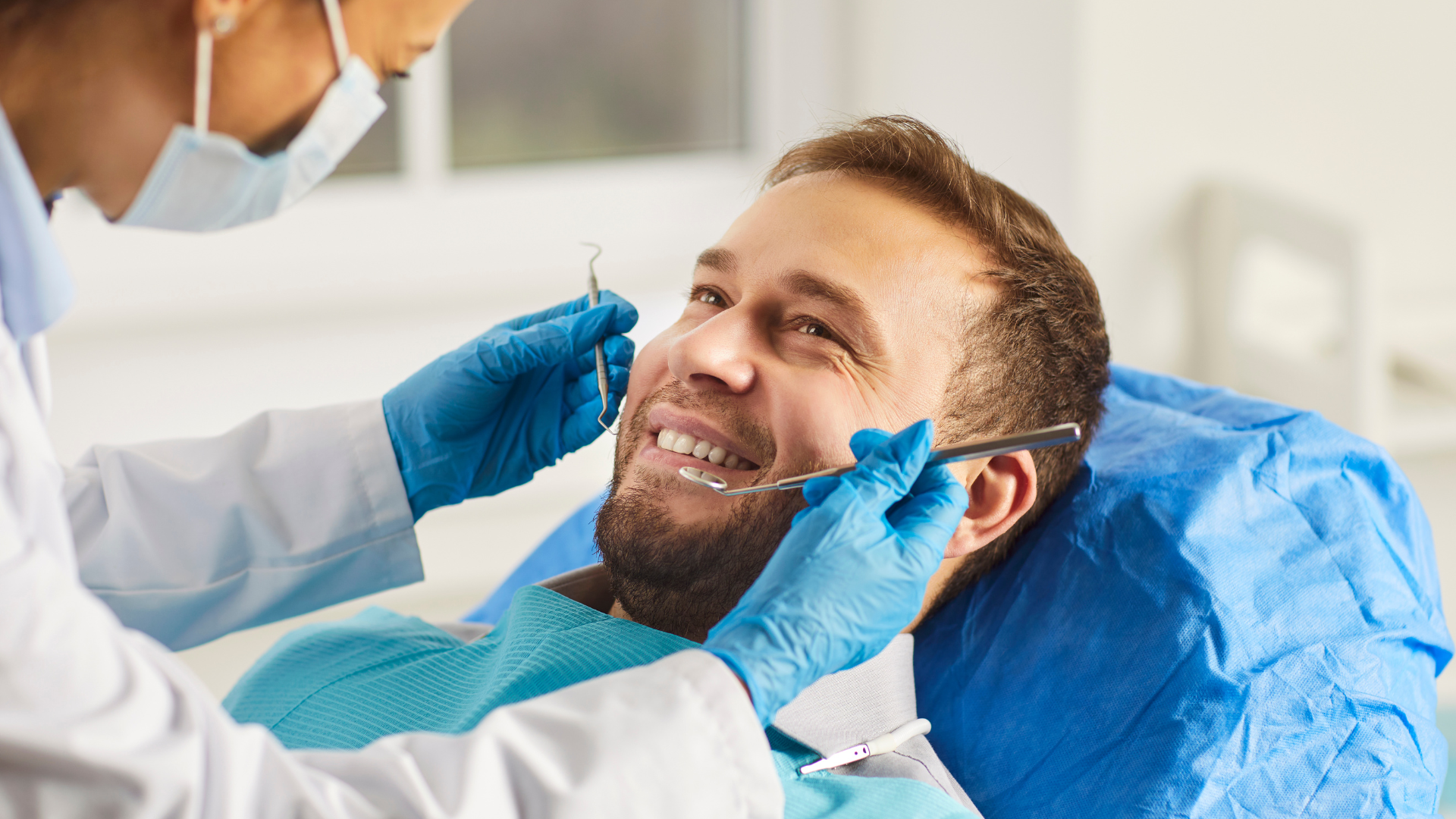
- A look around, no lecture. The dentist checks your teeth and gums, usually takes X-rays, and measures the little pockets around each tooth to gauge your gum health.
- They tell you which cleaning you need. If your gums are healthy, you get a
standard cleaning — scaling off the plaque and tartar, then a polish. Done in one visit.
- If gum disease is present, a deep cleaning. This is
scaling and root planing. The dentist removes tartar and bacteria from above
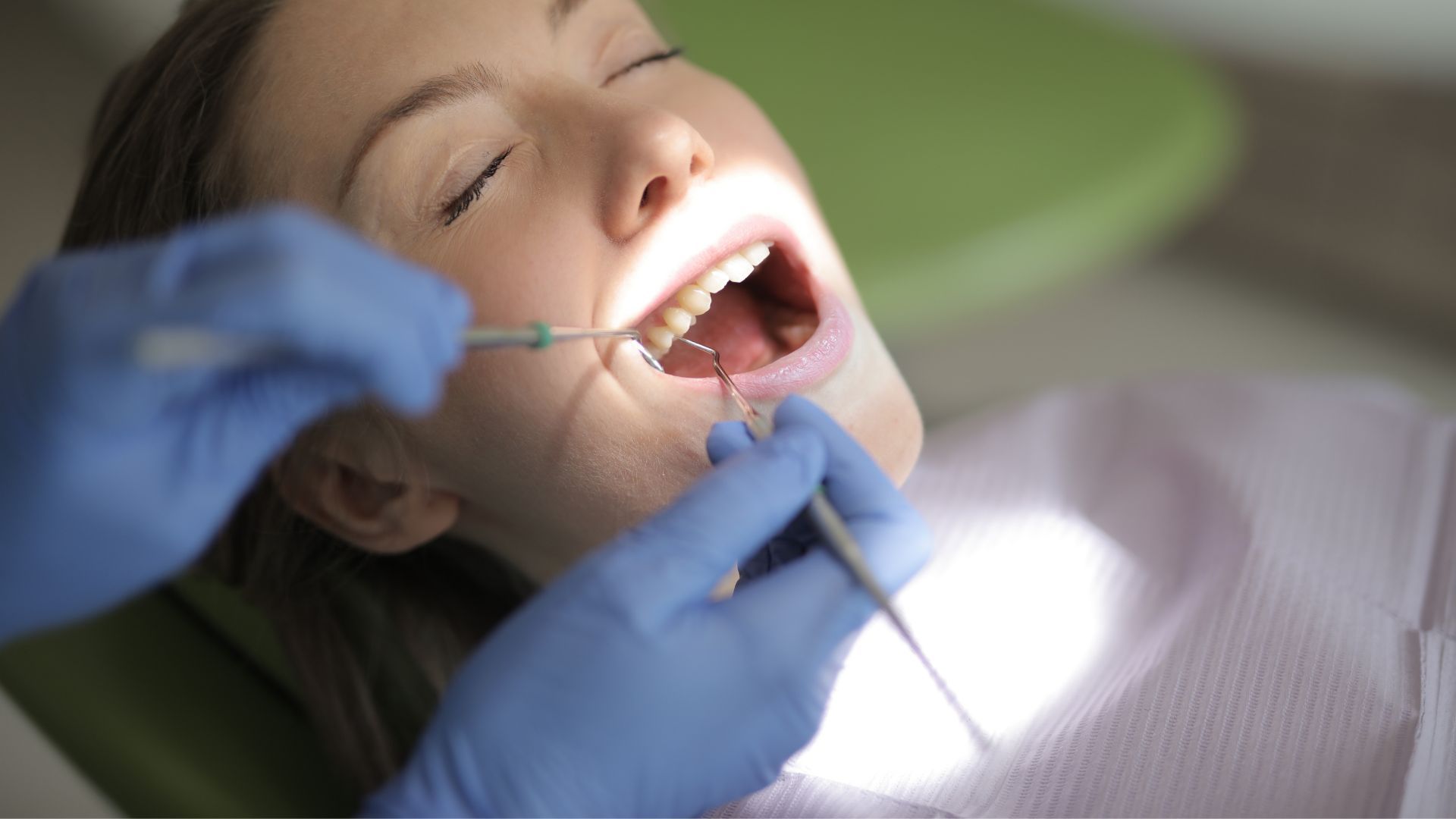
and below the gumline, then smooths the tooth roots so your gums can reattach. It may take more than one visit and sometimes uses a local anesthetic for comfort, the ADA notes. Mild soreness or sensitivity for a few days afterward is normal and fades.
- A simple plan to keep it that way. That's usually cleanings every six months, or every three to four months if you're recovering from gum disease.
In our [City] practice, we regularly see patients who apologize before they even sit down for being away "way too long." Almost every time, they walk out relieved it was more fixable than they'd feared. — [Practitioner Name, DDS]
The Genuinely Good News
It's tempting to assume years of neglect means the damage is done. Usually, it isn't.
Gingivitis can often be fully reversed. Early cavities can be filled before they become anything bigger. Even with periodontitis, a deep cleaning can stop the disease in its tracks and protect the teeth you have. The one thing that doesn't help is waiting longer — every month of buildup makes the eventual cleanup a little more involved.
The hardest part really is picking up the phone. After that, you're mostly along for the ride.
Frequently Asked Questions
Is it bad to not get your teeth cleaned for years?
Yes — mainly because of what happens invisibly. Without professional cleanings, plaque hardens into tartar you can't brush off, which feeds gum disease and decay below the surface. It's often painless until it's advanced, so a long gap usually means more is going on than you'd guess. A single cleaning stops the progression.
What happens at a dental cleaning after years away?
The dentist examines your teeth and gums, typically takes X-rays, and checks for gum disease. If your gums are healthy, you get a standard cleaning and polish. If gum disease is present, you may need a deep cleaning (scaling and root planing). Either way, you leave with a clear plan — no drama required.
Will the dentist judge me for not going in years?
No. Dental teams see long gaps constantly and are trained to help, not to lecture. Their focus is on where your mouth is right now and how to fix it — not on how you got here. Being upfront about the gap actually helps them give you the right care faster.
Can gum disease be reversed?
It depends on the stage. Gingivitis, the early stage, is usually reversible with a cleaning and better home care. Periodontitis, the advanced stage, can't be reversed because it damages bone — but it can be halted and managed so you keep your teeth. Catching it early is what makes the difference.
How often should I get a dental cleaning?
For most people, every six months. If you've had gum disease or bone loss, dentists often recommend maintenance cleanings every three to four months to keep it from coming back. Your dentist will set the schedule based on what they find at your visit.
How much does a dental cleaning cost near me?
It varies a lot by location, by whether you need a standard or deep cleaning, and by your insurance. The most reliable number is a quick call to a local practice — many will quote a new-patient exam-and-cleaning price over the phone, and some offer plans if you're paying out of pocket.
About the Author
Dr. Dannuo (Nova) Li, DDS is a licensed dentist with more than a decade of experience helping patients restore their oral health — including many returning after long breaks from care. She holds a Doctor of Dental Surgery degree from the UCLA School of Dentistry and has advanced training in full-mouth rehabilitation, cosmetic and restorative dentistry, and biomimetic (minimally invasive) care, with continuing education at the Kois Center and Magne Education. Proudly serving the Irvine community and surrounding neighborhoods.
Ready to Get Back on Track?
Here's the bottom line: a long gap since your last cleaning isn't a verdict — it's just a starting point. The damage from skipped cleanings is real, but so is how much of it a single visit can undo. The teeth you protect today are the ones you keep.
If you've been meaning to go, this is your sign.Schedule your dental cleaning with
Dr. Dannuo (Nova) Li, DDS
today — new patients welcome, no judgment, just a fresh start for your smile.
Disclaimer:
Dental implant surgery is a surgical procedure. Results vary based on individual bone density, systemic health, and lifestyle factors. A comprehensive evaluation by Dr. Nova Li is required to determine candidacy.